
What is the "high-tech" style?
Views : 836
14.02.25
High-tech is an architectural and design style that emerged in the late 1970s and early 1980s. It is characterized by the use of the latest technologies and materials, and an emphasis on functionality and minimalism. Here are some of the main characteristics of the high-tech style:
- Use of modern materials: glass, metal, plastic and other innovative materials.
- Clean lines and geometric shapes: straight and clear architecture without unnecessary embellishments.
- Open space: The premises are usually open-plan, with a minimum of partitions and doors.
- Technological: the design uses the latest technological solutions in both household appliances and interior design.
- Functionality: each interior element has its own practical purpose, there are no unnecessary decorative details.
- Color scheme: a neutral color palette is most often used - white, gray, black, metallic shades, sometimes with bright accents.
- Lighting: natural light is emphasized, large windows and glass walls are used, and modern lighting is integrated.
The style began to take shape in the mid-1990s, when architects began to experiment with new materials and technologies. Notable examples include the Pompidou Center in Paris (Richard Rogers and Renzo Piano) and Lloyd's Headquarters in London (Richard Rogers). In the 2000s and XNUMXs, the high-tech style evolved, incorporating even more innovative technologies and materials. Gradually, high-tech began to mix with other styles, such as eco-design, creating new hybrid trends.
What is the difference between high-tech style and minimalism?
High-tech focuses on technology, modern materials, and an industrial look that emphasizes technological advancement and innovation. Minimalism strives for maximum simplicity, using natural materials and neutral colors to create a calm and balanced space.
Although both styles value functionality and simplicity, high-tech is more focused on showcasing technology and modern solutions, while minimalism is more focused on creating a harmonious and unobtrusive environment.
High-tech style has every chance of remaining relevant in the coming years. Here are some reasons why this style will be popular:
Reasons why high technology is important in the future:
- Technological progress:
- Modern technology continues to evolve rapidly, and people are increasingly integrating it into their lives. This includes smart homes, the Internet of Things (IoT), automation, and other innovative solutions that naturally fit into the high-tech style.
- Environmental awareness:
- The use of new technologies and materials makes it possible to create energy-efficient and environmentally friendly buildings. This is in line with current trends to reduce carbon footprint and increase sustainability.
- Functionality and convenience:
- High technology offers a high level of comfort and functionality, thanks to the integration of modern control systems, such as automatic lighting, climate control, security, etc.
- Aesthetic appeal:
- Clean lines, modern materials, and a technological look create a stylish and contemporary interior that many people love, especially in cities and modern residential complexes.
- Lankstumas ir gebėjimas prisitaikyti:
- The high-tech style easily adapts to new technologies and trends, so it can be constantly updated and modernized.
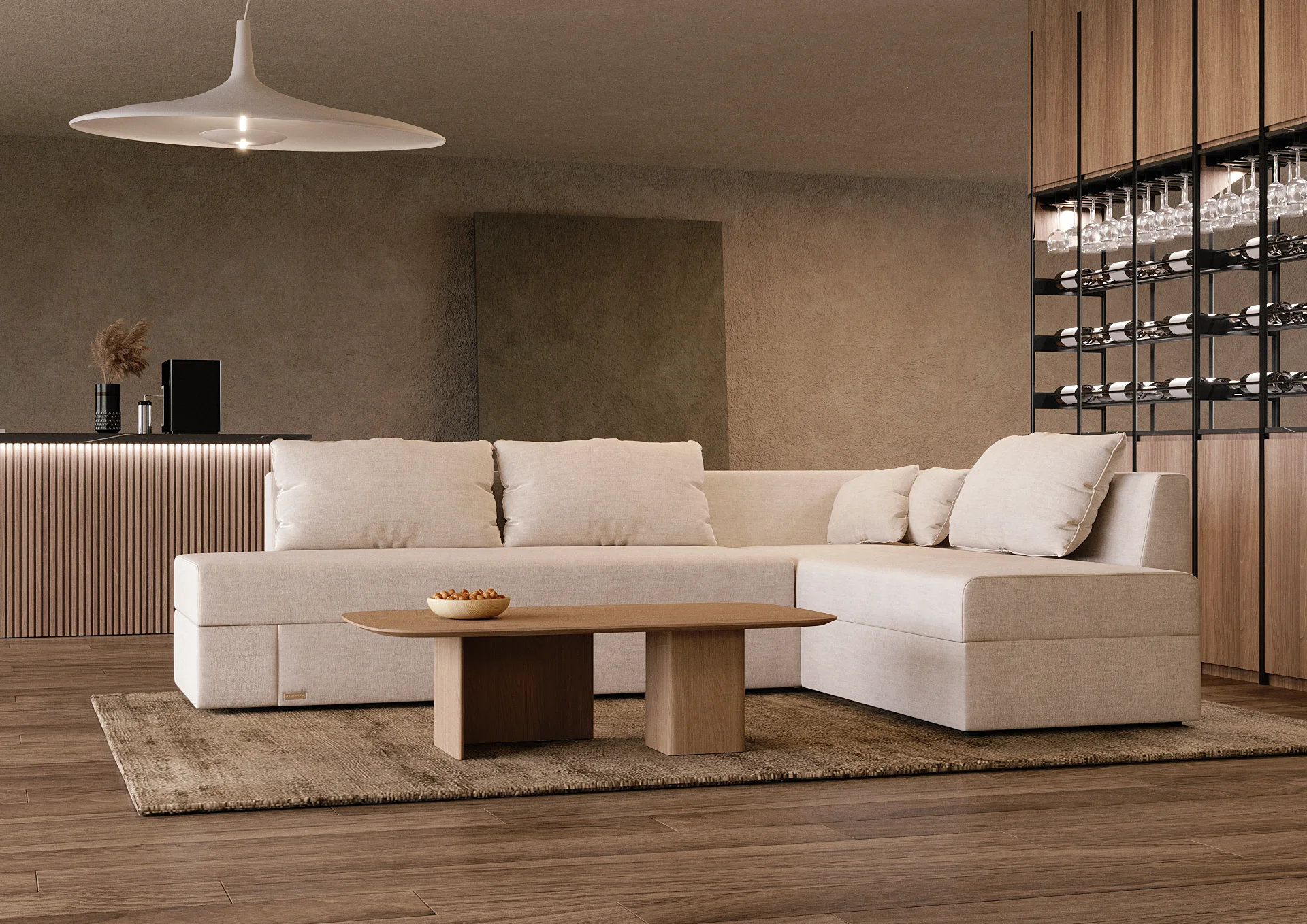
Examples of future high-tech trends:
- Smart home:
- Integrating lighting, temperature, security and other aspects of home control systems using mobile apps and voice assistants.
- Innovative materials:
- The use of new materials such as graphene, nanotechnology, biomaterials, providing new design and construction possibilities.
- Energijos vartojimo Effectiveness:
- Using renewable energy sources, such as solar panels, heat pumps, rainwater harvesting systems and heat recovery units.
- Modular structures:
-
- Developing a modular structure that allows buildings to be constructed quickly and adapted to the needs of residents.
>
-
Given these trends, the high-tech style will remain relevant and even develop in new directions, integrating the latest technological advances.